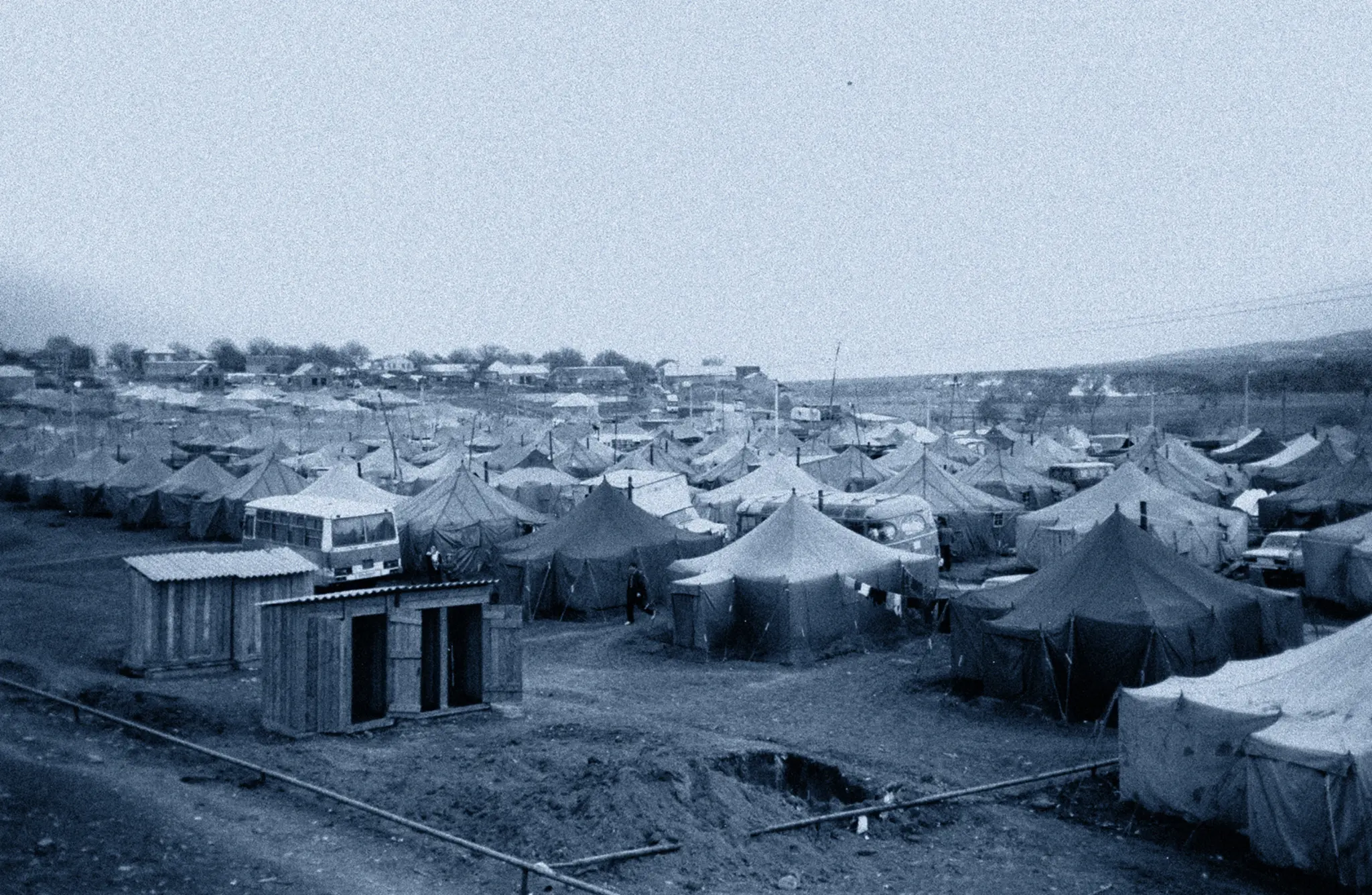
Testimonies
General information about the victims of the war
The Natalia Estemirova Documentation Center Database (hereinafter the Database) contains information about 55,220 victims of the military conflict in Chechnya.[1] Among these are victims of violations such as murder, enforced disappearance, torture, serious bodily injury, destruction of property and other basic human rights violations. A further 11,613 individuals were registered as victims who suffered as a consequence of the Russian-Chechen military conflict in other republics of the North Caucasus.
It should be noted that some statistics, especially those related to victims among the conflicting parties, may be incomplete. Human rights organizations did not always have access to the data of federal authorities and did not systematically collect information concerning deceased or injured Chechen insurgents. Moreover, in contrast to civilian victims of the conflict, relatives of Chechen insurgents did not wish to disclose information relating to the violations. The main sources of information available thus came from the victims themselves or random witnesses. Additionally, for a long time after the active phase of military activity, human rights organizations were unable to visit some regions, firstly due to their geographical remoteness but also because of the intense military presence which restricted or even prohibited individuals without local registrations from moving around.
Nevertheless, the Documentation Center has collected statistics on a large number of victims of the conflict, which has allowed for the creation of a relatively complete picture of the counter-terrorist operation.
As can be seen from the total number of victims registered in the Database, at least 38,944 people in Chechnya were killed or were kidnapped and subsequently disappeared.[2] From these, 19,100 individuals disappeared, of which 2,460 disappeared after sweeping operations (zachistkas) carried out by the Russian federal forces. An additional 7,555 victims were kidnapped by unidentified people. At least 14,055 victims were killed during the conflict as a result of shelling, bombardments, special operations, torture, and in other circumstances characteristic to military conflicts.[3]
At least 5,460 victims were subjected to torture and cruel or inhuman treatment. Of these, 3,503 were tortured causing serious bodily injuries. 1,875 victims received ill-treatment, such as imprisonment in inhuman conditions or insults. The Database also contains information relating to 150 victims of sexual crimes committed in Chechnya during the conflict. At least 3,650 victims were injured, beaten or hospitalized as a result of military actions.
Moreover, at least 13,088 victims were abducted or had their movements restricted for a period of time, following which they were either released or disappeared. At least 3,498 of these were tortured and subjected to inhuman and degrading treatment during their detention.
According to the data, 5,427 individuals were victims of the destruction or looting of their private property during the conflict.
The geographical and temporal distribution of violations committed during the military conflict is presented in the following table:
| District / Year | 1999-2000 | 2001-2002 | 2003-2004 | 2005-2006 | 2007-2008 | 2009-2010 |
| Central Chechnya | ||||||
| Grozny | 4,837 | 5,342 | 2,892 | 1,592 | 661 | 743 |
| Argun | 318 | 1,094 | 355 | 137 | 48 | 68 |
| Groznensky | 1,547 | 2,537 | 1,010 | 552 | 108 | 115 |
| Urus-Martanovsky | 2,622 | 2,876 | 1,043 | 356 | 148 | 177 |
| Shalinsky | 908 | 3,090 | 1,322 | 522 | 123 | 183 |
| North of Chechnya | ||||||
| Nadterechny | 184 | 218 | 144 | 61 | 22 | 18 |
| Naursky | 810 | 305 | 240 | 96 | 49 | 46 |
| Shelkovskoy | 378 | 285 | 162 | 448 | 61 | 69 |
| Gudermessky | 493 | 1,101 | 634 | 420 | 224 | 155 |
| Areas surrounding central Chechnya | ||||||
| Shatoysky | 381 | 173 | 98 | 115 | 43 | 42 |
| Sunzhensky | 131 | 274 | 375 | 206 | 63 | 34 |
| Achkhoy-Martanovsky | 1,000 | 877 | 773 | 393 | 109 | 194 |
| Kurchaloyevsky | 549 | 2,203 | 511 | 352 | 102 | 85 |
| Remote areas | ||||||
| Nozhay-Yurtovsky | 275 | 362 | 136 | 105 | 49 | 65 |
| Itum-Kalinsky | 67 | 41 | 41 | 50 | 17 | 11 |
| Vedensky | 720 | 1,081 | 497 | 180 | 54 | 166 |
| Sharoysky | 49 | 5 | 3 | 23 | 1 | 9 |
| Other locations (highways, roads, passes, gorges) | 278 | 97 | 46 | 20 | 9 | 11 |
As the statistics reveal, the period between 2000-2002 represents the most violent years of conflict, resulting in the highest number of victims. In subsequent years, the number of victims began to decline, however this number is nevertheless significant when compared to the number of victims in 2009, when the counter-terrorist operation regime had officially ended.
In addition to information regarding the type, geography and date of violations, the circumstances surrounding the crimes have also been registered in the Database.
For example, it has been established that 4,377 people were attacked in their own homes, with 3,038 of these occurring during special operations carried out by federal military forces.
In addition to this, people also became victims of various crimes at checkpoints installed on federal highways and on roads between districts and villages. Accordingly, there is currently information concerning 2,115 victims who were stopped throughout Chechnya at such checkpoints, 1,169 of whom either disappeared or were killed.
It has also been established that at least 1,344 people were taken to filtration points or camps by servicemen. This generally occurred as a result of zachistkas and special operations carried out by the federal military forces. Of this number, at least 540 victims subsequently disappeared or were killed.
Moreover, the data reveals that the most convenient time for kidnapping victims was during the night. This was firstly because victims and their family almost always remained in their homes, and secondly, because the de facto curfew prohibited civilians from venturing outside and public transport did not circulate during these hours. Consequently, there were also fewer witnesses to such attacks. Thus, the Database has documented a large number of cases where attacks took place at night, with at least 2,332 victims. Of this number, 1,805 victims were attacked in their own houses and at least 1,545 of these were injured during zachistkas and special operations.
Out of the total number of victims of the military conflict, 79.6% or 43,981 people were male. At least 33,031 victims at the time of the violation were between the ages of 18 and 60. At least 1,707 victims were over the age of 60. At least 2,780 victims were children, including 1,541 under the age of 14 and 1,261 adolescents between the ages of 14 and 17.
As is well known, factors such as disability, sickness, pregnancy, restriction of movement etc. placed some victims into particularly vulnerable groups. During the armed conflict, at least 491 victims suffered from a disability; 1,651 victims were forcibly displaced persons; at least 136 victims were pregnant at the time of the violation; and 492 victims were suffering from a sickness.[4] Furthermore, it should be noted that at least 7,296 victims had their freedom of movement restricted during the violations. In other words, the victims were under the control of their captors, for example, as a result of arrest or kidnapping or, if the violation occurred at home or in a public place, because the victims were surrounded by armed individuals and could not escape or protect themselves for fear of their own security and those with them.
The majority of the victims of the war in Chechnya – at least 72.5% – were civilians. In numbers, this represents at least 40,033 victims, including 220 individuals who were granted amnesty by national authorities, or those who ceased hostilities and returned home.
Among the other categories of victims were combatants, namely, individuals who had fought alongside the federal forces or for the fighters. There are 5,927 such victims amounting to 11.3% of the total number of victims. An additional 381 fighters became victims; these were fighters whose affiliation to either side of the belligerent parties has not been identified, or who did not regularly participate in hostilities. Five victims were marked as a foreign fighter. A further 38 individuals who did not take a direct part in hostilities also suffered during the conflict. These are victims that had been providing assistance usually to federal forces, for example, as radar operators or military journalists.
The status of 2,386 individuals was marked as ambiguous due to inconclusive information which did not enable their identification either as civilians or as combatants. Information relating to a further 6,170 individuals was too insufficient to determine their exact status, role and belonging.
The Database contains information relating to, among other details, the occupation of the victims, however such data is only available for 10,059 of those registered. Accordingly, at least 279 individuals held senior civilian positions, for example, in regional and municipal institutions; at least 508 were lawyers, journalists or economists; at least 262 were teachers; at least 139 were doctors and medical personnel; at least 140 were engaged in the agricultural sector; and at least 414 were students.
In relation to non-civilian occupations, 2,174 victims were employees of district (or temporary) internal affairs bodies or seconded from other regions. Information is available concerning 693 individuals who held the rank of officer and 1,481 soldiers who had suffered during the conflict.
In addition to at least 22,947 victims whose identities have been fully verified, the Database also contains information on at least 59,265 individuals from various sources. As the verification of the data relating to these individuals is currently ongoing, the number of verified victims registered in the Database is only expected to rise.
The statistics provided had been revised and verified until 10 April 2026.
The data is subject to change in view of the ongoing work by the Natalia Estemirova Documentation Center on the search and identification of victims of the armed conflict.
Media library
-
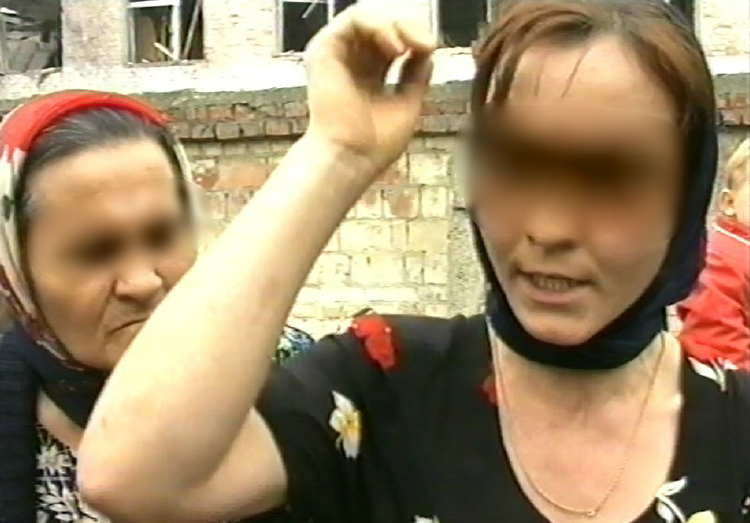
NEDC document 29256 -
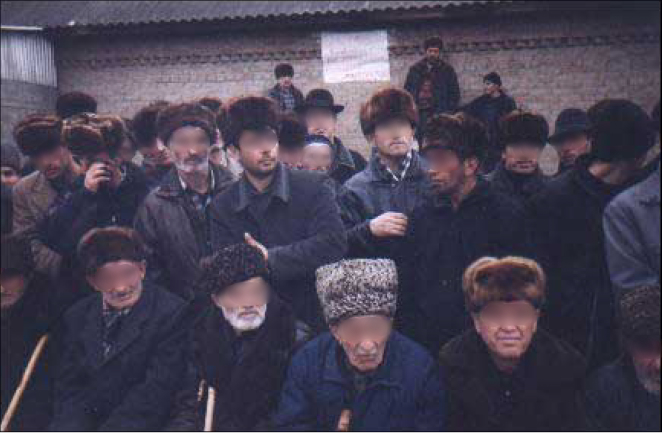
NEDC document 28084 -
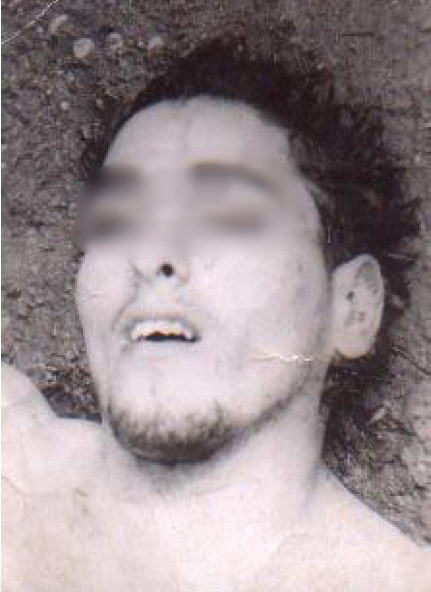
NEDC document 29728 -
NEDC document 32155 -
NEDC document 29576 -
NEDC document 27970
References
[1]According to the Database, 948 people became victims of the war before 1999, including during the period of the first Russian-Chechen conflict. Another 190 people became victims after the end of the active phase of hostilities in 2009. Due to the relatively small number of victims identified in the periods before and after the second phase of the war, information concerning them was also included in the statistics presented in this report.
[2]The number of victims in publications may vary due to the fact that the work in the Database is ongoing. New documents are continuously registered, and older ones are subject to verification and corrections, which allows for the identification of new victims or changes to the status and crimes committed against registered victims. In other words, our work is not static; it is a process which involves fluctuating statistics. Each publication therefore refers to a number of victims which corresponds to the known and available information at the time of the preparation of the publication. The relevant date of the publication is provided at the end of each text.
[3]In the general calculation of the number of victims, the data may vary to a small degree as some ambiguities were present in information concerning the circumstances of disappearances.
[4]This refers to common diseases. This number does not include at least 88 individuals with mental illnesses and at least 99 individuals who were in a helpless state at the time of the violation.