Testimonies
Destruction of civilian property
Armed conflict not only threatens the health and lives of civilians, but also greatly affects their economic situation, especially in cases of damage and destruction of private property. The right to private property represents one of the fundamental human rights and is enshrined in the Constitution of the Russian Federation, thus being guaranteed at both the national and international level.[1] The norms of international humanitarian law under the Geneva Conventions and their Additional Protocols provide the minimum standards for guaranteeing the protection of private property, as well as the infrastructure necessary to ensure the protection of the civilian population in the context of hostilities.[2] The protection of the right to private property particularly within the context of non-international armed conflicts faces serious difficulties, however, as no concrete rules exist to prevent its confiscation. This publication presents statistical data and a description of some incidents of the destruction of property of civilians during the conflict in the Chechen Republic.[3]
The Natalia Estemirova Documentation Center Database (hereinafter the Database) contains information about victims of the conflict in Chechnya whose right to property was infringed (destruction or damage of property) and who became victims of accompanying violations such as murder, kidnapping, disappearance, torture etc. The process of calculating the number of victims whose right to property was infringed without any accompanying violations is ongoing. As a result, this publication is divided into two parts and provides as complete a picture as possible of the incidents. The first part covers victims that were registered in the Catalogue of the Database and provides a description of accompanying violations. The second part presents preliminary statistics and accounts of individuals whose profiles have not yet been fully verified in the Database. The inclusion of these statistics is necessary to understand the scale and specifics of the violations suffered by all victims registered in the Database.
The practice of destruction and damage to property among the verified number of victims
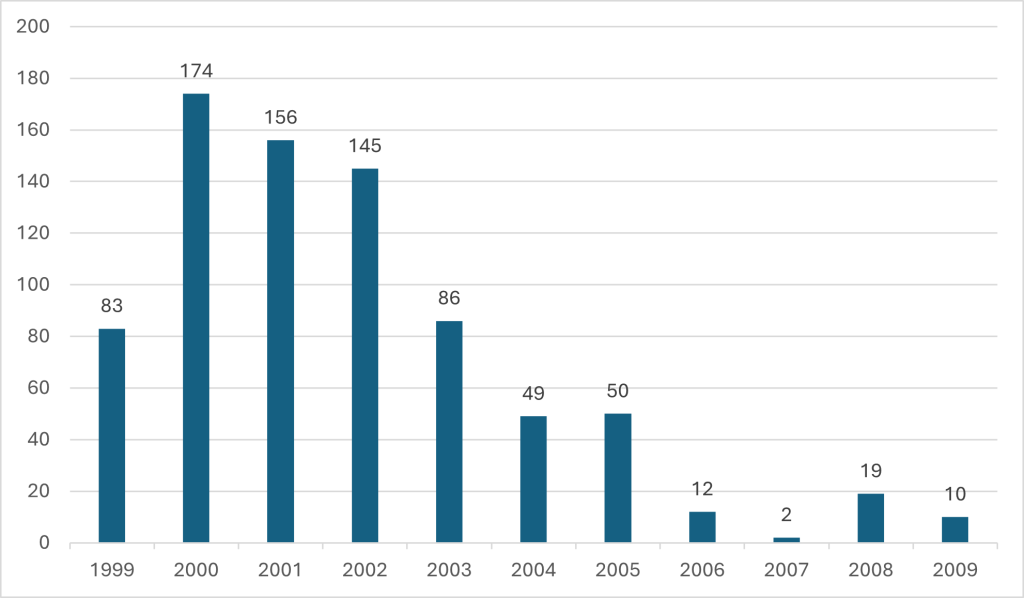
The Database contains information on at least 921 individuals whose property was destroyed or partially damaged during the conflict in the North Caucasus.[4] Of this number, incidents against 753 individuals occurred in the Chechen Republic. As reflected in chart 1,[5] the majority of the cases occurred in the early 2000s, which strongly correlates with the number of bombings and special operations that took place in the Republic during that period.[6]
At least 574 of the victims in Chechnya were men, while 179 were women. According to the Database’s statistics, the civilian population suffered the greatest damage: 616 of the registered victims were civilians. In 92% of cases, violations against the civilian population of Chechnya had links established with the actions of the Russian military or forces acting in its interests.
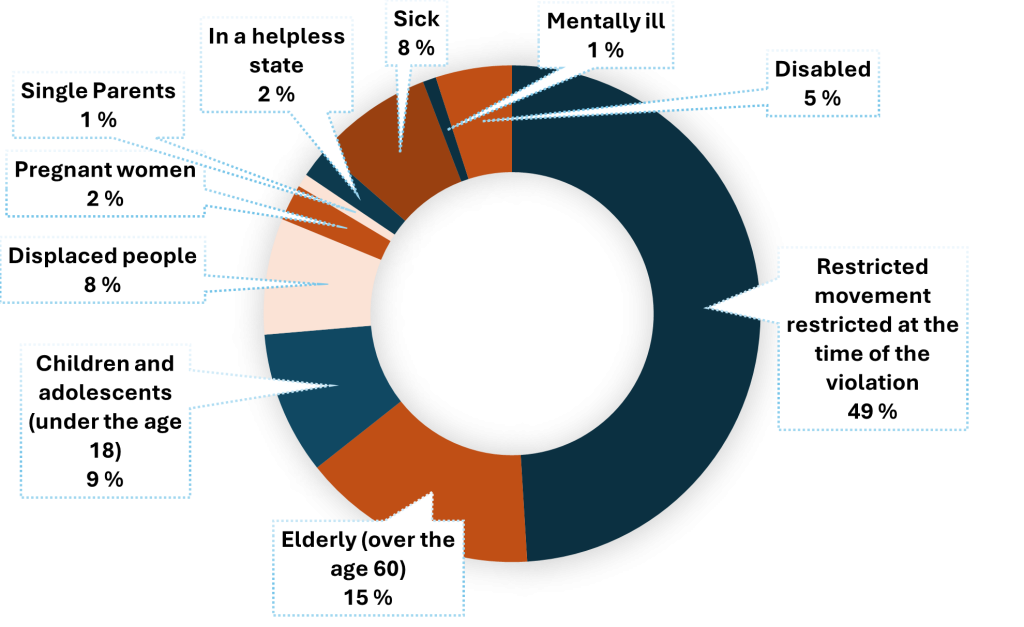
Among those whose property was damaged or destroyed in Chechnya, at least 305 belonged to vulnerable groups. Such victims were persons who had their freedom of movement restricted at the time of the violation (227 victims); elderly persons (71 victims); minors (43 victims); internally displaced persons (35 victims); persons suffering from disabilities (23 victims), persons in a helpless state (nine victims); pregnant women (eleven victims); and persons with mental disorders (four victims) (see chart 2).[7]
For instance, on the night of 3 July 2001, representatives of the federal forces conducted a special operation in order to detain an employee from the Ministry of Internal Affairs of the Chechen Republic, who at the time was visiting his mother in Urus-Martan. The representatives began firing at the house and subsequently broke inside, brutally beating family members, including the pregnant sister of the suspect. According to the sister:
It was very scary, and I was screaming. They were hitting me on the head, in the stomach. Mom screamed and asked them to stop beating me, since I was pregnant. I was in the seventh month of my pregnancy. They saw that I was pregnant however they did not stop hitting me in the stomach. On the contrary, they were mocking me, and calling me dirty words.[8]
Following this abuse, the military stole valuable family property and launched grenades at the house, leaving the family homeless.
Special and sweeping operations (zachistkas) were one of the main causes of destruction or damage to property in Chechnya: at least 441 such victims are registered in the Database. Just under a third of these victims (177) were attacked during the night, which meant they were usually attacked whilst in a confused and disoriented state. The damage caused as a result of these zachistkas cannot be defined as collateral as many of the incidents were indicative of the relevant intent of the military. For example, on the night of 30 November 2003, a final-grade student at the Chechen State University was forcibly removed from his home in Argun by Russian military personnel. Similar to the case above, the military beat the victim and his relatives, robbed their property, and then set the house alight using an incendiary mixture. Moreover, they did not leave the crime scene until they were assured that the house had been completely engulfed by fire. The body of a young man was found a few months later in Grozny.[9]
In another case on 8 August 2000, as a result of a zachistka in the village of Gekhi of the Urus-Martanovsky District, approximately 200 graves and tombstones were destroyed in the village graveyard.[10] The motivation behind the attack can be explained by the retaliatory nature of the special operation: an armored personnel carrier (APC) of the federal forces had previously exploded on a mine close to the village, killing several crew members.[11]
In addition to zachistkas, a significant number of civilian property was damaged as a result of air attacks and shelling, with at least 144 such cases registered. As it is evident from the recorded cases of bombings and shelling, such operations used heavy weapons of large-scale destruction, which did not conform to the basic principles of international humanitarian law, such as the distinction between civilian and military objectives.[12] For example, on 27 September 1999, Russian air forces launched missile-bombing strikes on the village of Staraya Sunzha, which had an approximate population of 8,600 citizens at the time of the attack. As a result, two houses were completely destroyed, another four were seriously damaged and the village school building suffered significant damage. According to reports, 21 people were killed and 44-50 people suffered varying degrees of injuries.[13] This attack caused both severe material and psychological trauma to the local population. According to one of the affected residents:
You cannot abuse people like that, regardless of where they live. Every night, civilians are bombed, every night…[14]
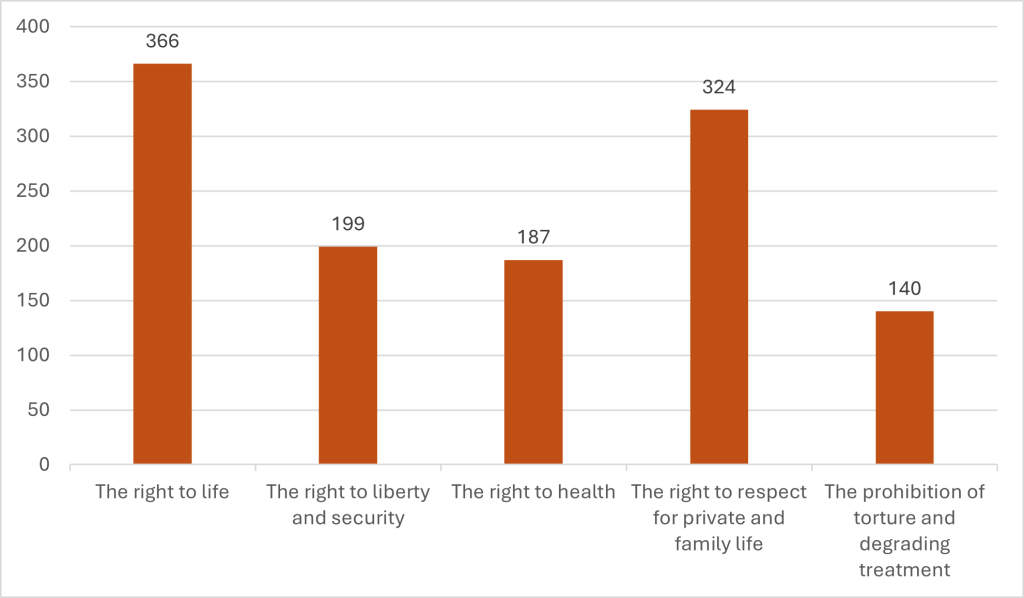
As mentioned above, the victims registered in the Catalogue, in most cases, were also subjected to other violations during the conflict. Chart 3[15] exposes the most common accompanying human rights violations to the destruction and damage of property. Almost half of all the verified victims whose property was either damaged, stolen or destroyed in Chechnya were either killed or disappeared (322 victims). For instance, on 11 May 2005 on the Grozny-Shatoy highway, a Russian military APC collided with a GAZ-3110 vehicle travelling in the opposite direction. As a result of the collision, both the driver and a young girl were killed. Two of the other passengers, including an eight-year-old child, suffered numerous bruises and fractures. According to eyewitnesses, the military were drunk at the time and had intentionally collided with the car, after which they attempted to escape.[16]
Practice of destruction and damage to property in respect of the unverified number of victims in the Database
The identities of the victims described above have been verified and entered into the final Catalogue of the Database. In addition to these victims, the Database also holds profiles of victims who have experienced similar violations, although their verification process is still ongoing. It should be noted that since information may be received from different sources regarding the same incident, the precise number of victims will only be determined once a thorough verification of the data is completed. Some of the victim profiles registered in the Database, both collective and individual, are nameless, meaning their individual information could not be identified. Such victims are unlikely to be included in the final Catalogue of the Database due to the inability to establish more accurate data. However, these profiles contribute to assessing the scale of damage inflicted on the population during the conflict.
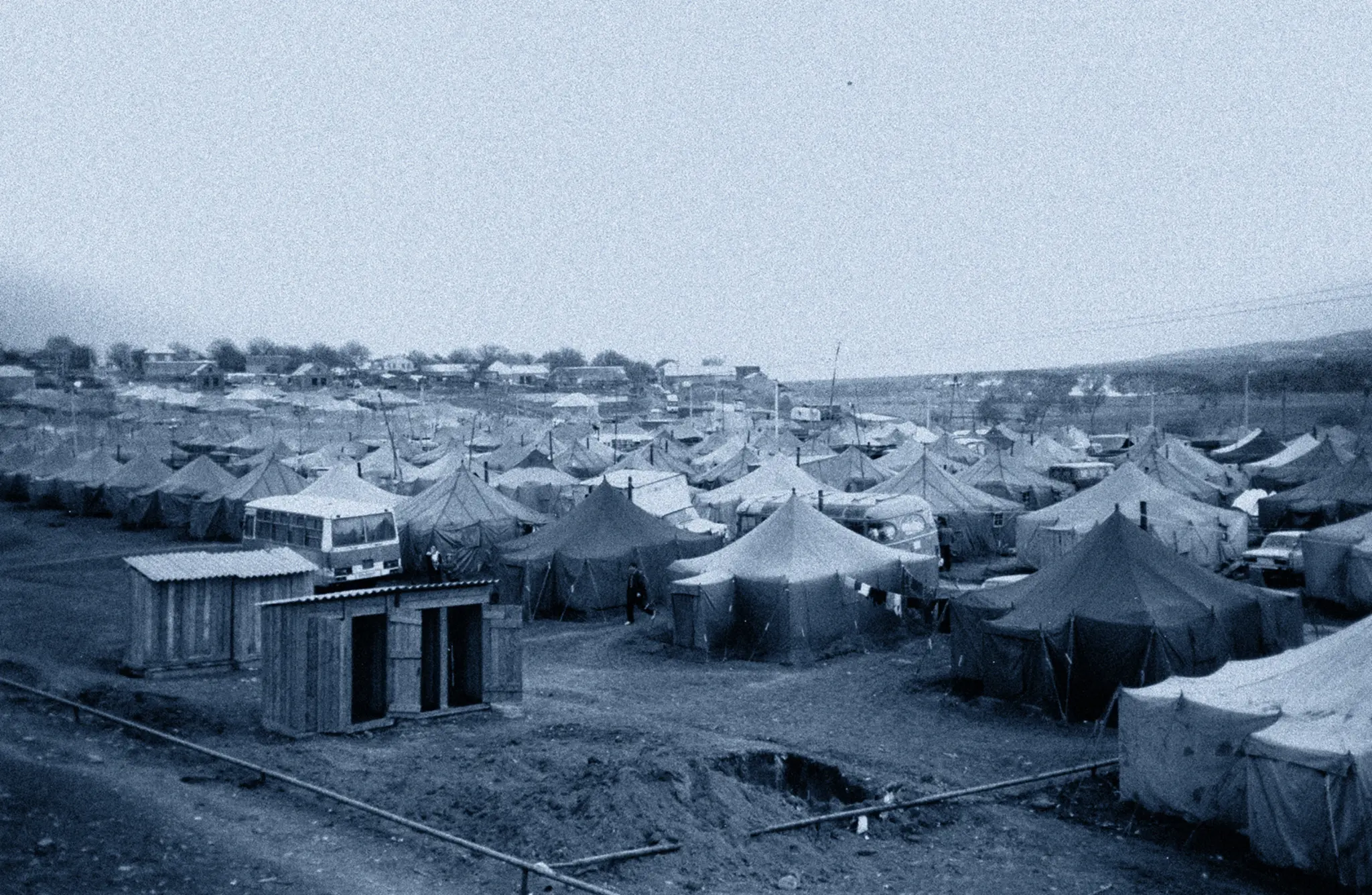
The Documentation Center possesses information relating to at least 4,059 victims whose right to property was violated (destruction and damage to property) during the conflict in the Chechen Republic. As in the case of verified victims, the majority of the unverified victims (3,633) were also civilians who suffered at the hands of the military – among those registered are entire families, including large families. One of the documents from the Database describes the tragic fate of a mother to several children from Grozny. In 1999, during the hostilities in the city, her house was completely destroyed by fire and her husband died shortly after from the harm and suffering caused. Left with her five children, the woman fled to Ingushetia where she was forced to live in the so-called “town” of refugees.[17]
Based on the presented statistical data and the accounts of eyewitnesses, it can be concluded that the violation of the right to protection and respect for private property during the conflict in the Chechen Republic, and in the greater region, was widespread. Though violations often occurred in the context of ground and air operations and zachistkas, data nevertheless exists regarding the intentional destruction and damage to private property. This had long-term material and psychological consequences for the affected populations who were forced to survive in the conditions of conflict and seek refuge in the territories of other republics and regions of the country, as well as abroad.
The statistics provided have been revised and verified until 19 March 2026.
The data is subject to change in view of the ongoing work by the Natalia Estemirova Documentation Center on the search and identification of victims of the armed conflict.
Audio library
Listen to the story of a woman concerning the bombing of the village of Gikalovsky.
For details on this story, see the “Audio” section.
Listen to the story of the killings of people in the Staropromyslovsky District and the removal of corpses by their relatives.
For details on this story, see the “Audio” section.
Listen to the story of a woman who survived the storming of the city of Grozny.
For details on this story, see the “Audio” section.
Listen to the story of women who left the village of Katyr-Yurt.
For details on this story, see the “Audio” section.
Media library
-
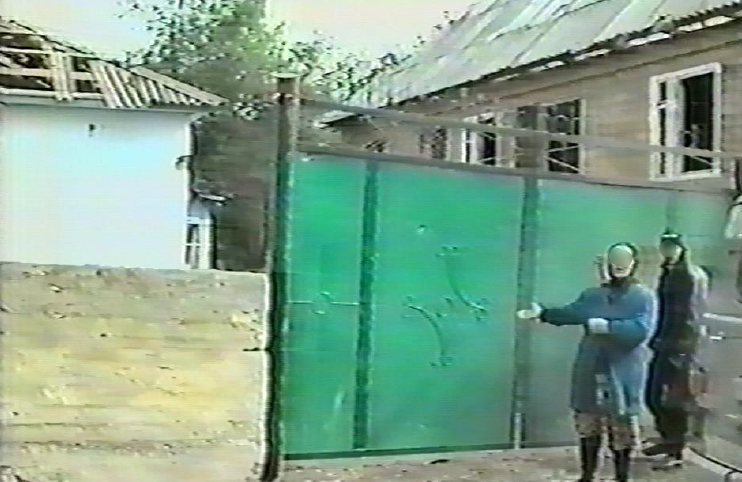
NEDC document 29260 -
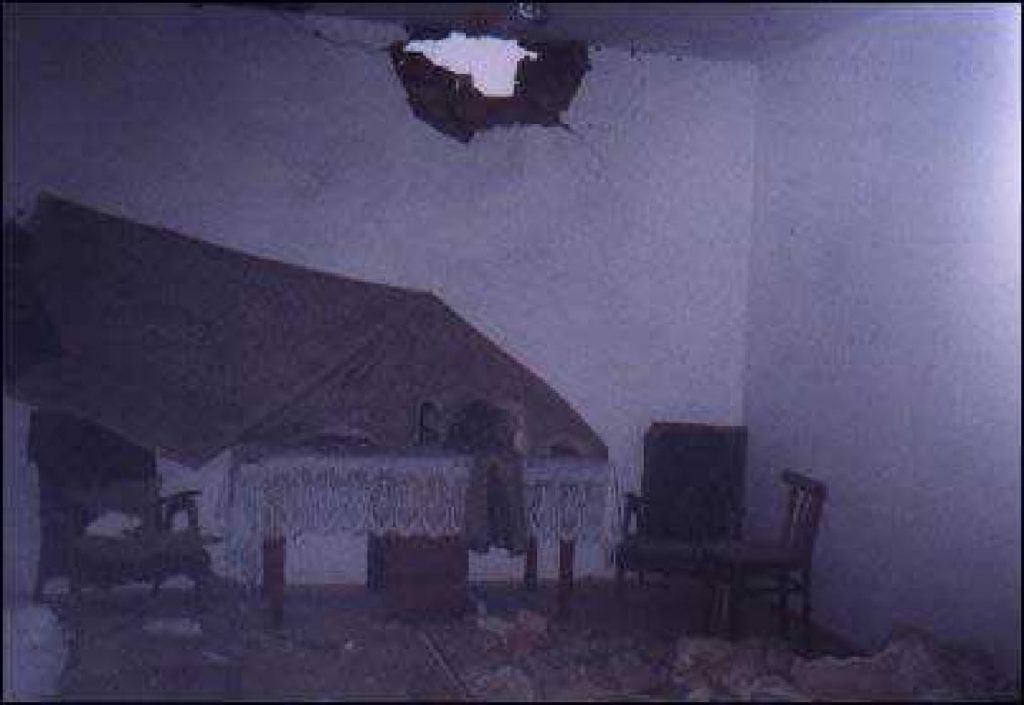
NEDC document 28074 -
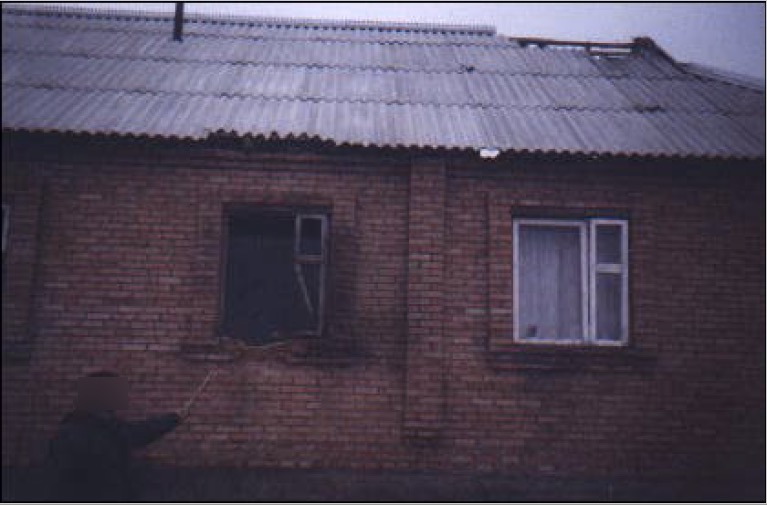
NEDC document 28087 -
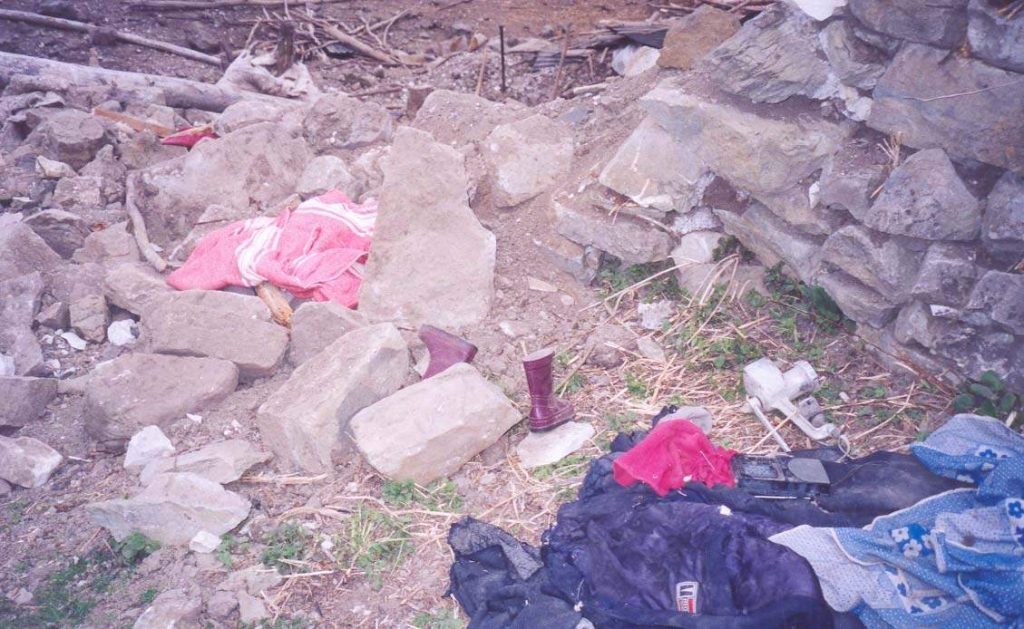
NEDC document 31557 -

NEDC document 29981 -
NEDC document 31561
References
[1]Constitution of the Russian Federation (adopted by popular vote on 12.12.1993), (Article 35), https://www.zakonrf.info/konstitucia/35/.
[2]See, for example, the Guidelines of the International Committee of the Red Cross, «Implementation of international humanitarian law at the national level», 2010, https://www.icrc.org/ru/doc/resources/documents/publication/p4028.htm.
[3]For details relating to cases of looting, see the relevant publication on this website.
[4]The Database mainly contains information about violations committed during the period of the second armed conflict that started in 1999. However, it also contains sporadic facts recorded during the first armed conflict.
[5]During the first conflict and prior to the start of the second conflict (1994-1998), the Database recorded 11 cases of destruction/damage to property of the population. Two further cases were recorded after the end of the second military conflict in Chechnya (2010-2019). There is some uncertainty in the data used in the graph due to the fact that crimes against the victims could have been committed repeatedly in different years, or the exact date of the violation may be unknown.
[6]See the more detailed publication «Aerial bombardment and shelling» on this website.
[7]It should be noted that some of the victims may fall under more than one vulnerable group.
[8]Incident № 669 «Attack on the family in Urus-Martan, July 4, 2001».
[9]Incident № 1074 «Special operation in Argun, November 2003».
[10]Document № 9980.
[11]Incident № 135 «Scraping in Gekhi, August 2000».
[12]Additional Protocol I to the Geneva Conventions of 12 August 1949, on the protection of victims of international armed conflicts (Articles 50, 51); Additional Protocol II to the Geneva Conventions of 12 August 1949, on the protection of victims of non-international armed conflicts (Article 13).
[13]Incident № 2293 «Bombardment of Staraya Sunzha, September 27, 1999».
[14]Document № 29256.
[15]Some of the victims may have been subjected to many violations simultaneously or over a period of time. The graph shows the most common violations against victims.
[16]Incident № 5698 «Civilians hit by APC vehicle on the highway Grozny-Shatoy, May 2005».
[17]Document № 19219.